Clear Stubborn Buildup That Rooter Cables Cannot Reach
Hydro jetting services from Castaneda's Plumbing & Rooter remove grease, roots, and heavy debris from sewer and drain lines in Carson.
You have called for drain clearing twice in the past year, and each time the clog comes back within a few months. A standard rooter cable punches a hole through the blockage, but it does not remove the grease coating the pipe walls or the fine root hairs that continue to grow back. In Carson properties with older sewer lines or commercial kitchens, hydro jetting uses high-pressure water to scour the interior of the pipe clean, leaving no residue behind. Castaneda's Plumbing & Rooter uses this method to restore full flow and reduce the frequency of future blockages.
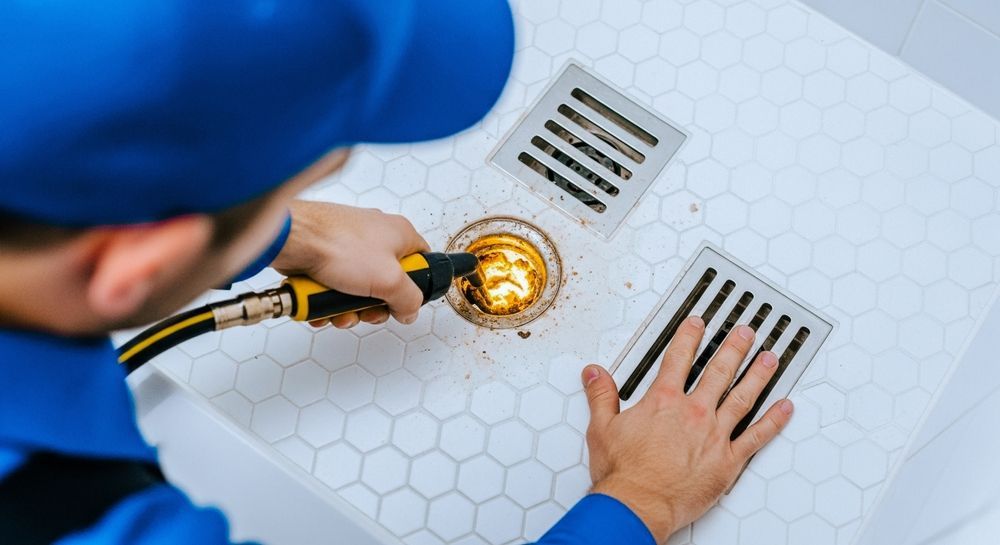
Hydro jetting involves inserting a specialized nozzle into the drain line and blasting water at pressures up to four thousand pounds per square inch. The force is strong enough to cut through grease, scale, roots, and compacted debris, but safe for most pipe materials when performed correctly. In Carson, this service is often recommended for commercial kitchen drains that accumulate heavy grease buildup, as well as residential lines with recurring clogs caused by root intrusion or mineral deposits.
If your drains keep clogging despite repeated clearing, schedule a hydro jetting service in Carson to remove the buildup that standard methods leave behind.
When High-Pressure Water Cleaning Makes Sense
The technician inspects the line with a camera first to ensure the pipe is strong enough to handle the pressure. In Carson, hydro jetting is performed through a cleanout access point, and the nozzle is guided through the line while water jets spray in all directions. The process typically takes one to three hours depending on the length and condition of the line.
After hydro jetting, your drains will flow freely, and you will notice less frequent slowdowns or odors. Castaneda's Plumbing & Rooter recommends this service as a preventative maintenance step for properties with a history of grease buildup or root intrusion. The clean interior surface makes it harder for new debris to cling, extending the time between service calls.
This method is not suitable for pipes that are cracked, collapsed, or made of fragile materials such as older Orangeburg pipe. If the camera inspection reveals structural damage, repair or replacement should be completed before jetting is performed.
Most People Want to Know How Jetting Differs
Property owners in Carson often ask how hydro jetting compares to cable clearing, and when it is worth the additional cost. These answers help clarify when each method is appropriate.
What is the difference between hydro jetting and cable clearing for drains?
Cable clearing punches through a blockage to restore flow, while hydro jetting scrubs the entire interior of the pipe clean, removing grease, roots, and scale that cables leave behind.
How often should hydro jetting be performed for preventative maintenance?
For commercial kitchens or homes with recurring grease or root issues, jetting every one to two years helps prevent major blockages and extends the life of the sewer line.
When is hydro jetting recommended instead of a standard rooter service in Carson?
Jetting is recommended when clogs return frequently, when heavy grease or scale buildup is suspected, or when preparing a line for pipe lining or other trenchless repairs.
What type of pipe cannot be safely cleaned with hydro jetting?
Older Orangeburg pipe, severely cracked clay pipe, or any line with visible collapse or offset should not be jetted, as the pressure may worsen existing damage.
Why does hydro jetting reduce future clogs better than cable clearing?
The high-pressure water removes the buildup that clogs adhere to, creating a smooth surface that makes it harder for new debris to accumulate.
If your Carson property has recurring drain problems or heavy buildup, reach out to discuss whether hydro jetting is the right solution for long-term flow and reliability.